 Monderma
- 23 Jun 2025
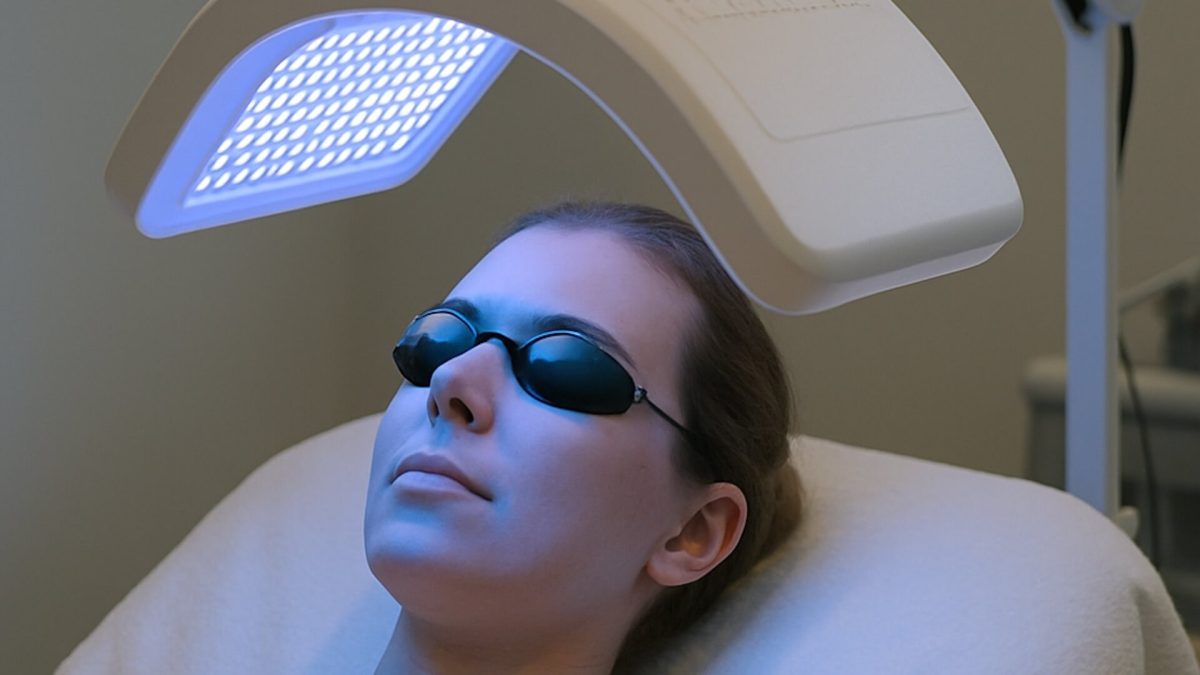
- UV light supports skin repair
- Inflammation reduces with treatment
- Phototherapy slows excess cell growth
- Modern care builds on Finsen’s work
- Personalised skincare with Monderma
Niels Ryberg Finsen influenced how light is used to support skin health, and his work shaped treatments that still guide care for chronic skin conditions [1].
In this article we outline his discoveries, describe how UV phototherapy works, and show how these principles support modern dermatology.
Early Life & Scientific Direction
Finsen observed the effect of light on his own symptoms, which encouraged his interest in how targeted wavelengths could support comfort and healing [2,5].
His medical training in Copenhagen helped him refine these ideas and begin exploring light’s role in managing persistent skin disease [1,2].
Emergence Of Phototherapy
Finsen noted that sunlight eased certain skin concerns and proposed that specific UV wavelengths could influence bacterial activity and tissue repair [3].
He focused on lupus vulgaris, a severe form of skin tuberculosis, which lacked reliable treatment and caused long term distress for many patients [2,4].
Development & Clinical Progress
Filtered UV light showed potential to help suppress bacteria and support healing, and Finsen refined this approach through detailed laboratory work [2,3,6].
By 1895 he treated lupus vulgaris patients using concentrated UV light, documenting results that marked a turning point in managing chronic skin disease [1,2].
Expansion & Global Impact
The Finsen Medical Light Institute opened in 1896 and welcomed patients from around the world, inspiring similar centres across Europe and North America [2,7].
More than 800 individuals received treatment in the institute’s early years, with many gaining significant improvement or resolution of long standing symptoms [4,7].
Nobel Prize Recognition
In 1903 Finsen received the Nobel Prize in Physiology or Medicine for demonstrating that targeted light could treat disease and support healing [1,5].
His health declined shortly afterward, yet his influence shaped a new field and established light based care as a recognised medical discipline [1].
How UV Phototherapy Works
| Application | Mechanism |
|---|---|
| UVB or NB UVB | Calms immune activity and slows rapid cell growth [3] |
| UVA or PUVA | Supports deeper immune modulation [3,4] |
| Visible or red light | Aids repair and comfort in selected concerns |
| Photodynamic therapy | Uses light with a sensitiser to target cells [3] |
Table 1: Key applications and mechanisms of phototherapy
UV phototherapy can help slow overactive immune cells in the skin, easing redness, thickening, and flaking in conditions such as psoriasis or eczema [3,4].

Influence On Modern Care
Light based therapies now support conditions beyond dermatology, including neonatal jaundice and specific precancerous lesions [4,6].
Research continues to refine wavelength selection and delivery, offering more targeted approaches that build on Finsen’s original work [3,4].
Conclusion
Phototherapy can be effective for chronic skin conditions, yet personalised prescription skincare often provides targeted support for acne, ageing, hyperpigmentation, or rosacea. Monderma’s tailored treatments, guided by clinical assessment, help maintain skin comfort, balance, and overall health.
If you would like personalised skincare designed to strengthen long term skin resilience, you can explore a tailored formula through Monderma.
Content is for informational purposes only. Monderma treatments are prescribed following consultation. Results and timeframes can vary. Use as directed by your prescriber.
References
- Br J Dermatol. Niels Ryberg Finsen
- J R Soc Med. Finsen and lupus vulgaris
- Exp Ther Med. Phototherapy review
- Photochem Photobiol Sci. History of phototherapy
- NobelPrize.org. Finsen biography
- The James Lind Library. Finsen treatment notes
- Clin Dermatol. Founder of phototherapy
Join the Newsletter
Insights that make your skin feel understood
Share this article if you found it helpful



More To Explore
Latest Articles For Your Skin
-
Understanding Pityriasis Rosea: Symptoms & Treatment
-
How To Spot Fake Skincare Products Online
-
CBD Skincare For Calming Redness & Irritation

-
How Fractional Laser Can Renew Damaged Skin
-
Wearable Sensors Used For Skin Condition Tracking

-
Ectoine: Skincare & Eye Care Barrier Protection
-
Baby Acne Myths & Facts Explained

-
Allantoin Uses & Benefits For Daily Skincare

-
Chapped Lips: Causes & How To Treat Them
-
The Largest Human Body Organ Through Anne-Charles Lorry’s Lens