 Monderma
- 06 Jan 2025
- Six skin types show different UV responses
- Fair skin burns easily; SPF 30+ is vital
- Darker tones still need sun protection daily
- Apply, reapply & seek shade consistently
- Prescription skincare can heighten UV sensitivity
Understanding your skin type helps tailor effective sun protection and skincare. The Fitzpatrick scale, developed by Dr. Thomas Fitzpatrick in 1975, classifies skin into six categories based on response to ultraviolet (UV) radiation [1,5]. This system remains central in dermatology for assessing sunburn risk, pigmentation changes, and long-term UV-related damage.
This article outlines each Fitzpatrick skin type and explains how to protect skin from sun exposure safely and effectively.
What Is The Fitzpatrick Skin Type Scale?
The Fitzpatrick scale measures how skin reacts to sunlight, from burning to tanning tendencies. It categorises six skin types, guiding clinicians and individuals in sun protection, skincare, and certain treatment decisions [1,5,6].
| Fitzpatrick Skin Type | Key Characteristics | Response To Sun | Risk Level |
|---|---|---|---|
| 1 | Very fair; red or blonde hair, light eyes | Always burns, never tans | High |
| 2 | Fair; burns easily, tans minimally | Burns easily | High |
| 3 | Medium; light brown or European skin | May burn, tans gradually | Moderate |
| 4 | Olive; Mediterranean or Hispanic skin | Rarely burns, tans easily | Lower |
| 5 | Brown; Middle Eastern or Indian skin | Rarely burns, tans easily | Lower |
| 6 | Dark brown to black; African heritage | Almost never burns | Lowest |
Table 1: Fitzpatrick skin types and sun responses
Sun Protection For Fair Skin
Skin Type 1: Very Fair Skin
Individuals with skin type 1 have very pale complexions and often red or blonde hair. They burn easily and rarely tan, facing the highest risk of sun damage. Strict protection is essential [1,6].
Recommended Protection:
- Apply broad-spectrum SPF 30+ daily [2,3].
- Reapply every 2 hours or after sweating/swimming.
- Wear wide-brimmed hats, sunglasses, and long sleeves.
- Seek shade between 11 am and 3 pm [2].
Skin Type 2: Fair Skin
This type also burns readily and tans only slightly. Consistent use of high-SPF sunscreen and protective clothing is vital to prevent early skin ageing and damage.
Sun Protection For Medium & Olive Skin
Skin Type 3: Medium Skin
This type may burn initially but tans gradually over time. Individuals of European descent often fall within this category. Though less vulnerable than fair types, continued sun care prevents cumulative damage [6].
Key Tips:
- SPF 30+ daily for outdoor activity.
- Limit midday exposure.
- Include protective hats and eyewear.
Skin Type 4: Olive Skin
This type burns infrequently and tans easily, common among Mediterranean, Hispanic, and South Asian individuals. Some natural protection exists, but UV exposure still contributes to long-term pigmentation and photoageing [6].
Key Tips:
- Use SPF 30+ for daily exposure.
- Reapply during prolonged outdoor activity.
- Incorporate antioxidant skincare for added protection.
Sun Protection For Darker Skin
Skin Type 5: Brown Skin
People with skin type 5 tan easily and seldom burn. Although UV damage is less visible, it can still cause uneven tone, hyperpigmentation, and long-term ageing [6].
Recommendations:
- Apply SPF 15+ on exposed areas [2,6].
- Protect against reflective UV from water and snow.
- Check for new or changing moles regularly.
Skin Type 6: Dark Brown Or Black Skin
This type rarely burns and offers stronger natural protection. However, melanoma and other sun-induced conditions can still occur [6].
Recommendations:
- SPF 15+ daily for uncovered areas.
- Maintain sun protection during extended exposure.
- Monitor for pigment changes or irregular spots.
Tailored Sun Protection Strategies
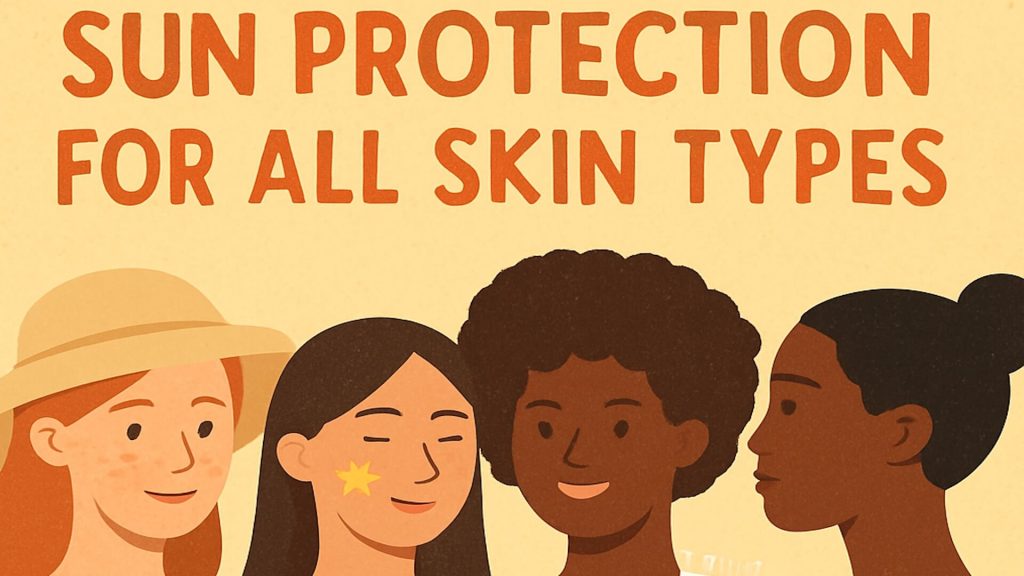
All skin types benefit from consistent UV protection. The approach should match your individual risk level, daily habits, and any treatments that may increase photosensitivity.
For Skin Types 1–2:
- SPF 30+ broad-spectrum sunscreen daily [2,3].
- Avoid peak UV hours.
- Combine with UV-protective fabrics.
For Skin Types 3–4:
- SPF 30+ recommended.
- Reapply every 2 hours when outdoors.
- Add antioxidant serums to support skin resilience.
For Skin Types 5–6:
- SPF 15–30 on exposed skin [2,6].
- Maintain coverage during prolonged exposure.
- Continue protective habits even in overcast weather.
The Importance Of Year-Round Protection
UV radiation penetrates clouds and reflects from surfaces like snow and water. This means sun protection is necessary even in winter or overcast conditions [2,3].
In the UK, melanoma skin cancer affects approximately 17,500 people annually, making it the fifth most common cancer [4]. Preventive sun care plays a key role in reducing these risks.
Photosensitising Treatments & UV Sensitivity
Certain prescription skincare ingredients, including tretinoin and azelaic acid, can heighten sun sensitivity. Consistent daily sunscreen use protects skin from irritation and damage while using such treatments [7].
Healthcare professionals recommend introducing SPF as a core part of any skincare regimen, especially for individuals using retinoids or exfoliating acids.
Monderma’s Role In Personalised Skin Health
Monderma provides personalised, prescription-based skincare for concerns such as ageing, pigmentation, and rosacea, all of which can be worsened by UV exposure.
Ingredients like tretinoin support cell renewal for photoaged skin, while azelaic acid helps calm redness and improve uneven tone. Because these ingredients may increase sensitivity to UV radiation, consistent sun protection is vital.
Start with a free consultation to receive a dermatologist-guided skincare plan designed around your skin type and sun protection needs.
Conclusion
Recognising your Fitzpatrick skin type helps you adopt safe, tailored sun protection habits. Whether your skin burns easily or rarely at all, consistent SPF use, reapplication, and sun-smart habits are key to long-term skin health.
Prescription skincare may improve tone and texture but always requires complementary UV protection. For professional guidance, explore Monderma’s personalised skincare options today and share this article to help others protect their skin year-round.
Content is for informational purposes only. Monderma treatments are prescribed following consultation. Results and timeframes can vary. Use as directed by your prescriber.
Bibliography
- Sharma AN, Patel BC. Laser Fitzpatrick Skin Type Recommendations. StatPearls. 2025.
- NHS. Sunscreen and Sun Safety. 2024.
- Cancer Research UK. Sun Safety | Reduce Your Skin Cancer Risk. 2025.
- Cancer Research UK. Melanoma Skin Cancer Statistics. 2025.
- DermNet NZ. Skin Phototype (Fitzpatrick Skin Type). 2024.
- DermNet NZ. Common Skin Lesions: Ageing Skin. 2024.
- BMJ Drug & Therapeutics Bulletin. Tretinoin for Sun-Aged Skin. 1996.
Join The Newsletter
Skin insights, delivered to you
Share this article if you found it helpful



More To Explore
Latest Articles For Your Skin
-
Understanding Pityriasis Rosea: Symptoms & Treatment
-
How To Spot Fake Skincare Products Online
-
CBD Skincare For Calming Redness & Irritation

-
How Fractional Laser Can Renew Damaged Skin
-
Wearable Sensors Used For Skin Condition Tracking

-
Ectoine: Skincare & Eye Care Barrier Protection

-
Baby Acne Myths & Facts Explained

-
Niels Ryberg Finsen: Pioneer Of UV Phototherapy

-
Allantoin Uses & Benefits For Daily Skincare

-
Chapped Lips: Causes & How To Treat Them