 Monderma
- 20 Jan 2025
- Tretinoin treats acne, wrinkles, and discoloration
- It speeds cell turnover and boosts collagen
- Available by prescription in 0.025%–0.1% strengths
- Apply a pea-sized amount nightly as directed
- Professional guidance ensures safe, effective use
Tretinoin, derived from vitamin A, is a well-researched topical retinoid used to treat acne, fine lines, and uneven pigmentation. It encourages skin renewal and strengthens collagen, making it a cornerstone in dermatological care. In the UK, tretinoin is a prescription-only medicine.
This article explains its benefits, how it works, and safe application practices for best results.
Understanding Tretinoin
How Does Tretinoin Work
Tretinoin accelerates cell turnover, helping to remove dead skin cells and promote new growth. This unclogs pores, reduces acne, and smooths texture.
It also boosts collagen, improving firmness and elasticity.
A JAMA study found tretinoin visibly improved fine wrinkles and roughness after 16 weeks [1]. Another review confirmed reduced microcomedones and acne lesions within 12 weeks of consistent use [3].
Is Tretinoin A Steroid
Tretinoin is not a steroid. It belongs to the retinoid family derived from vitamin A. Unlike steroids, it does not thin the skin or cause dependency. Instead, it encourages regeneration and long-term skin health [2].
Tretinoin Benefits
Tretinoin effectively targets several common skin concerns backed by clinical research.
Tretinoin For Acne
Tretinoin clears pores by increasing cell turnover. It reduces breakouts and gradually fades acne marks. A 2017 review found retinoids like tretinoin significantly decreased acne lesions with consistent use [3].
Tretinoin For Wrinkles
The cream improves skin texture and reduces wrinkles by stimulating collagen. Studies show noticeable improvement in fine lines and elasticity after several months of use [4].
Tretinoin For Skin Discoloration
Tretinoin exfoliates pigmented cells, helping to fade dark spots caused by inflammation or sun exposure. A study showed 0.1% tretinoin lightened hyperpigmentation in Black patients over 40 weeks [5].
Overall Skin Improvement
Regular use improves texture, tone, and barrier strength. Clinical data confirm tretinoin enhances collagen synthesis and smoothness over time [4].
| Skin Condition | How It Works | Outcome |
|---|---|---|
| Acne | Speeds cell turnover and unclogs pores. | Reduces breakouts and acne scarring. |
| Wrinkles | Stimulates collagen and increases elasticity. | Smooths lines and refines texture. |
| Skin Discoloration | Exfoliates pigmented cells and renews tone. | Fades dark spots and evens complexion. |
| Overall Skin Health | Supports collagen and skin barrier renewal. | Improves tone, firmness, and radiance. |
Table 1: Skin benefits and clinical effects of tretinoin
These benefits make tretinoin one of the most clinically validated ingredients for both acne management and visible skin ageing.
Tretinoin Dosage & Strengths
Best Strength Of Tretinoin Cream For Wrinkles
Tretinoin is available in concentrations from 0.025% to 0.1%. Dermatologists usually recommend starting with 0.025% to build tolerance before moving to higher strengths [6]. The optimal concentration depends on skin type and response.
How Often To Use Tretinoin
Begin with application every other night or two to three times weekly. Gradually increase to nightly use once the skin adjusts. The NHS advises applying tretinoin once daily at bedtime, reducing frequency if irritation occurs [6].
How To Apply Tretinoin Cream
Correct technique enhances results and minimises side effects:
- Cleanse gently and pat dry.
- Wait 15–20 minutes before application.
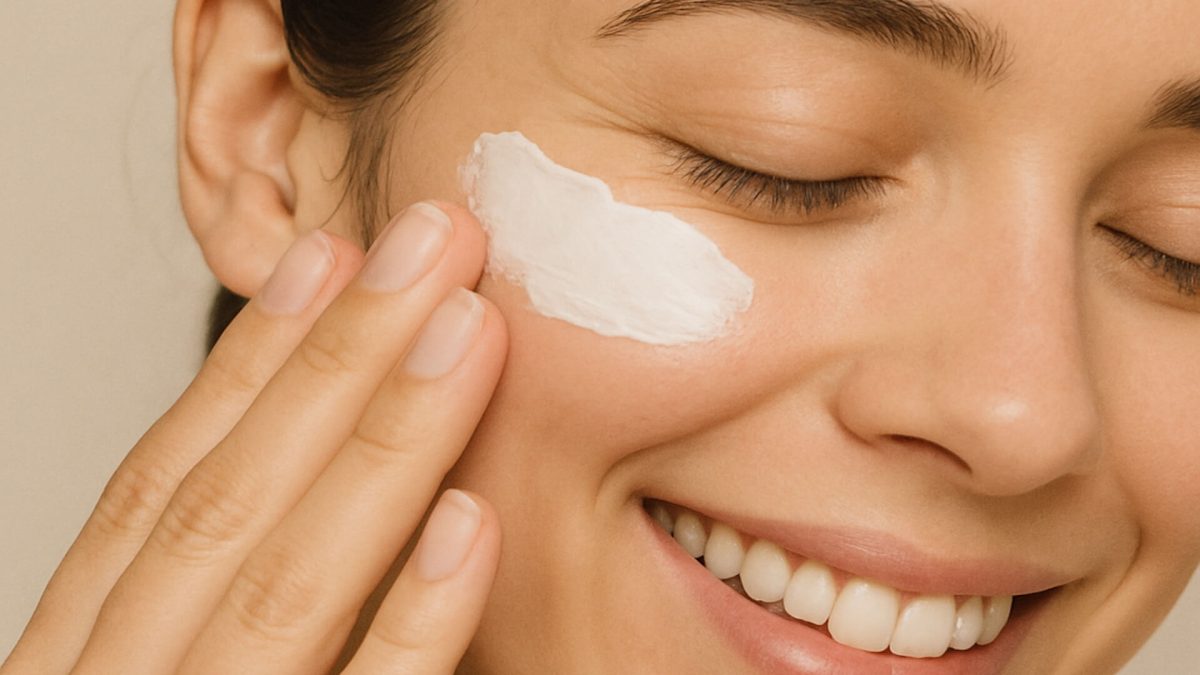
- Apply a pea-sized amount evenly across the face, avoiding eyes, nostrils, and mouth corners.
- Follow with a moisturiser to reduce dryness.
- Use sunscreen during the day.
Monderma’s clinicians recommend this routine to ensure effective, well-tolerated use.
Potential Side Effects Of Tretinoin
Mild side effects such as redness, peeling, dryness, or sun sensitivity are common at the start of treatment [7]. These effects usually lessen as the skin adapts.
Daily moisturising and sun protection help manage irritation. Avoid exfoliants or strong actives during early treatment weeks.
Tretinoin Results: What To Expect
Visible improvement typically appears after 6–12 weeks. Early use may cause mild breakouts, known as purging, as clogged pores clear.
The NHS notes that acne may temporarily worsen during the first 7–10 days but improves within several weeks [2,6].Consistent application delivers smoother, brighter, and clearer skin over time.
Monderma’s Expert Guidance
Tretinoin requires professional oversight for safe and effective use. Monderma offers free online consultations with GPhC-registered prescribers for UK residents.
After reviewing your skin type and history, a tailored formula is created using prescription-strength tretinoin blended with hydrating and barrier-supporting ingredients.
Conclusion
Tretinoin remains one of the most evidence-backed treatments for acne, fine lines, and uneven tone. It enhances collagen, refines texture, and promotes long-term skin renewal when used correctly.
Because it is a prescription retinoid, expert guidance can help to ensure results while minimising irritation. For personalised guidance, Monderma provides a free consultation to help users safely integrate tretinoin into their skincare routine.
Content is for informational purposes only. Monderma treatments are prescribed following consultation. Results and timeframes can vary. Use as directed by your prescriber.
Bibliography
- Weiss JS, et al. Topical Tretinoin Improves Photoaged Skin. JAMA. 1988;259(4):527–532.
- MedlinePlus. Tretinoin (Topical). U.S. National Library of Medicine.
- Leyden J, Stein-Gold L, Weiss J. Why Topical Retinoids Are Mainstay of Therapy for Acne. Dermatol Ther. 2017;7(3):293–304.
- Mukherjee S, Date A, Patravale V, et al. Retinoids in the Treatment of Skin Aging: Clinical Efficacy and Safety. Clin Interv Aging. 2006;1(4):327–348.
- Bulengo-Ransby SM, et al. Topical Tretinoin Therapy for Hyperpigmented Lesions. N Engl J Med. 1993;328(20):1438–1443.
- NHS. Acne – Treatment. Accessed July 2025.
- Pomerantz H. Predictors of Local Adverse Effects Caused by Topical Tretinoin Cream 0.1%. J Dermatol. 2014.
Join The Newsletter
Skin insights, delivered to you
Share this article if you found it helpful



More To Explore
Latest Articles For Your Skin
-
Understanding Pityriasis Rosea: Symptoms & Treatment
-
How To Spot Fake Skincare Products Online
-
CBD Skincare For Calming Redness & Irritation

-
How Fractional Laser Can Renew Damaged Skin
-
Wearable Sensors Used For Skin Condition Tracking

-
Ectoine: Skincare & Eye Care Barrier Protection
-
Baby Acne Myths & Facts Explained

-
Niels Ryberg Finsen: Pioneer Of UV Phototherapy
-
Allantoin Uses & Benefits For Daily Skincare
-
Chapped Lips: Causes & How To Treat Them